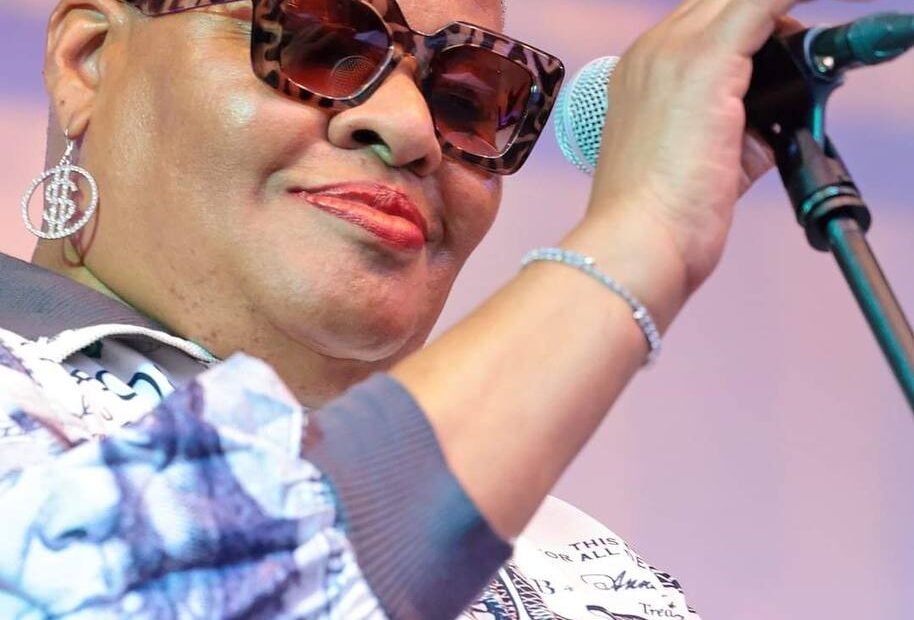
In a musical landscape often dominated by fleeting trends and manufactured personas, Miss Freddye stands as something increasingly rare: an artist whose career has been built on authenticity, perseverance, and an unwavering commitment to the truth at the heart of the blues.
Known throughout the music world as Pittsburgh’s “Lady of the Blues,” Miss Freddye has spent nearly three decades developing a reputation as one of the most respected voices in contemporary blues and gospel music. Her journey from church singer and healthcare professional to internationally recognized recording artist is a testament not only to her talent but also to the power of resilience.
Born and raised in Pittsburgh, Pennsylvania, Miss Freddye’s musical roots run deep. Like many of the great blues and soul singers before her, she began singing in church, where gospel music instilled in her a sense of emotional honesty and spiritual conviction that would later define her blues performances. Those early experiences helped shape a voice capable of conveying both strength and vulnerability—qualities that have become her signature.
What makes Miss Freddye’s story particularly compelling is that music was only one part of her life’s mission. For more than 30 years, she worked as a nurse and caregiver, dedicating herself to helping others through some of life’s most difficult moments. That experience gave her performances a depth and empathy that audiences immediately recognized. When Miss Freddye sings about hardship, loss, faith, or perseverance, listeners understand that she is drawing from lived experience rather than performance.
Her personal journey has included significant challenges. A two-time breast cancer survivor, Miss Freddye transformed adversity into purpose, becoming an advocate for cancer awareness and using her platform to inspire others facing similar struggles. Her ability to channel those experiences into her music has become one of the defining aspects of her artistry.
Musically, Miss Freddye emerged as a force within the Pittsburgh blues scene during the late 1990s and early 2000s, eventually establishing herself as one of the region’s premier blues performers. Along the way, she developed a reputation for electrifying live performances and a vocal style influenced by legendary artists such as Etta James, Koko Taylor, and Billie Holiday. Critics have praised her ability to deliver both powerful blues shouters and emotionally nuanced ballads with equal conviction. Blues Blast Magazine described her as a singer in the Etta James tradition, equally comfortable with uptempo material and sensitive, heartfelt performances.
Recognition soon followed.
Among her many accomplishments, Miss Freddye has received multiple regional and national honors. She was voted Best Blues Band or Performer in Pittsburgh City Paper’s Best of Pittsburgh readers’ poll and has earned numerous accolades throughout her career for her contributions to blues music. She was also nominated for two prestigious Blues Music Awards in Memphis, placing her among the most respected artists working in the genre today.
Her recording career has likewise produced impressive chart success. Miss Freddye reached a major milestone when one of her blues releases climbed to the No. 1 position on the UK iTunes Blues Chart, introducing her music to audiences far beyond the United States.
Her powerful interpretation of the gospel classic “Wade in the Water” further expanded her reach, rising to No. 2 on international gospel charts and earning widespread critical acclaim for its heartfelt delivery and spiritual depth.
Several recordings have become fan favorites throughout her catalog, including “Lady of the Blues,” “Freight Train Blues,” “Wade in the Water,” and more recently, “Slippin’ Away.” The latter demonstrated her continued artistic growth, earning praise for its emotional honesty and timeless blues storytelling. Critics highlighted the song’s sincerity and Miss Freddye’s ability to transform universal experiences of heartbreak and uncertainty into something both personal and relatable.
Despite her growing international recognition, Miss Freddye has remained firmly connected to Pittsburgh. The city’s blue-collar spirit, resilience, and sense of community are woven throughout her music and public life. She continues to perform throughout the region, support charitable causes, and champion local musicians, serving as both an ambassador for Pittsburgh’s music scene and a steward of the blues tradition.
Today, Miss Freddye occupies a unique place in contemporary music. She represents the enduring relevance of the blues—not as a historical artifact, but as a living, breathing art form capable of speaking to modern audiences. Her career demonstrates that authenticity still matters, that experience still resonates, and that great music is ultimately about connection.
Through chart-topping releases, award nominations, community service, and unforgettable performances, Miss Freddye has built a legacy that extends far beyond accolades. She has become a symbol of perseverance, faith, and artistic integrity.
For Pittsburgh, she is a hometown treasure.
For blues fans, she is a torchbearer.
And for anyone who has ever found strength through music, Miss Freddye remains a powerful reminder of why the blues continues to endure.